

Understanding Micro-Fine Particulate Exposure
The World Health Organization (WHO) updated global environmental benchmarks reveal that over 90% of the world's population breathes ambient air that exceeds particulate safety thresholds. While exterior smog is widely discussed, indoor concentrations of PM2.5 and volatile chemicals can be 2 to 5 times higher due to inadequate air exchange.
Unlike larger dust grains, PM2.5 particles are capable of penetrating deep into alveolar pulmonary capillaries, triggering chronic inflammation, exacerbating childhood asthma, and impacting cardiovascular health.
Proactive Indoor Defense Strategies
- Continuous Positive-Pressure Ventilation: By introducing filtered air at slight positive pressure, outdoor unfiltered drafts are prevented from leaking in through window gaskets.
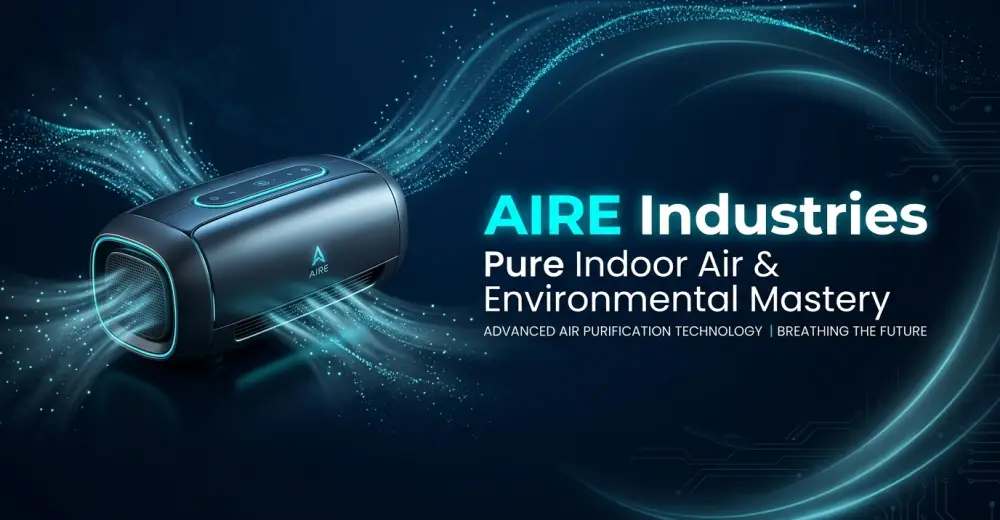
- Zero-Ozone Catalytic Filtration: AIRE systems avoid ionizers that emit secondary ozone, ensuring air is cleaned purely through mechanical and physical sorption media.
- Real-Time App Notifications: Mobile companion applications alert homeowners during outdoor wildfire smoke or pollen surges, automatically engaging high-flow boost mode.
Investing in continuous indoor air purification represents an essential preventive health measure for every modern household.